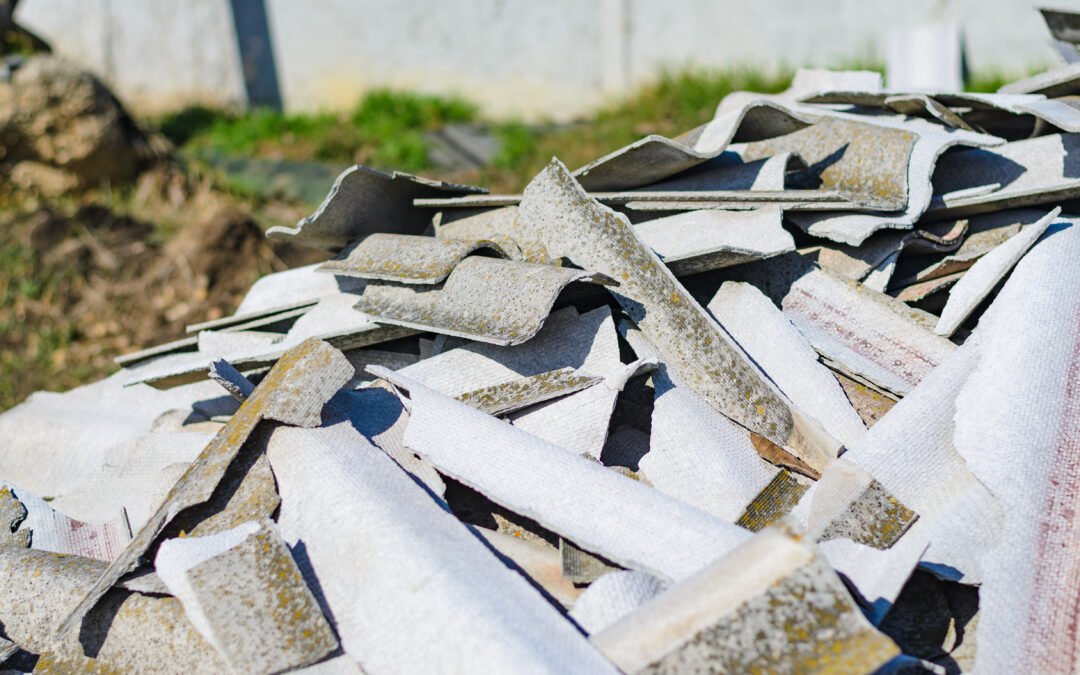
Nottinghill, with its rich tapestry of architectural history, faces a pressing challenge in managing the health risks posed by asbestos. Buildings constructed before the year 2000 may contain asbestos materials, extensively used for their heat-resistant properties and durability. The urgency for asbestos removal in Nottinghill stems not only from the potential release of harmful fibres when these materials deteriorate but also from the ongoing redevelopment and refurbishment projects in the area. Asbestos, when disturbed, releases fibres that can cause serious lung conditions, including cancers, making its safe removal a public health priority.
The impact of asbestos is profound, affecting residential, commercial, and public buildings. In Nottinghill, a culturally and economically vibrant community, the preservation of health and property value hinges on comprehensive asbestos management. Homeowners looking to renovate, landlords, and property developers must consider asbestos surveys and removal a critical part of property maintenance and investment. The community’s safety, property integrity, and legal compliance collectively underscore the need for vigilant asbestos management.
Moreover, asbestos removal in Nottinghill is not just a health requirement but a community safeguarding imperative. Schools, hospitals, and older residential buildings are particularly at risk, necessitating structured removal plans. As such, the process of identifying, removing, and safely disposing of asbestos is crucial in mitigating health risks and aligning with broader environmental and safety standards, thereby ensuring the well-being of the entire community.
Understanding Asbestos: Types and Risks Involved
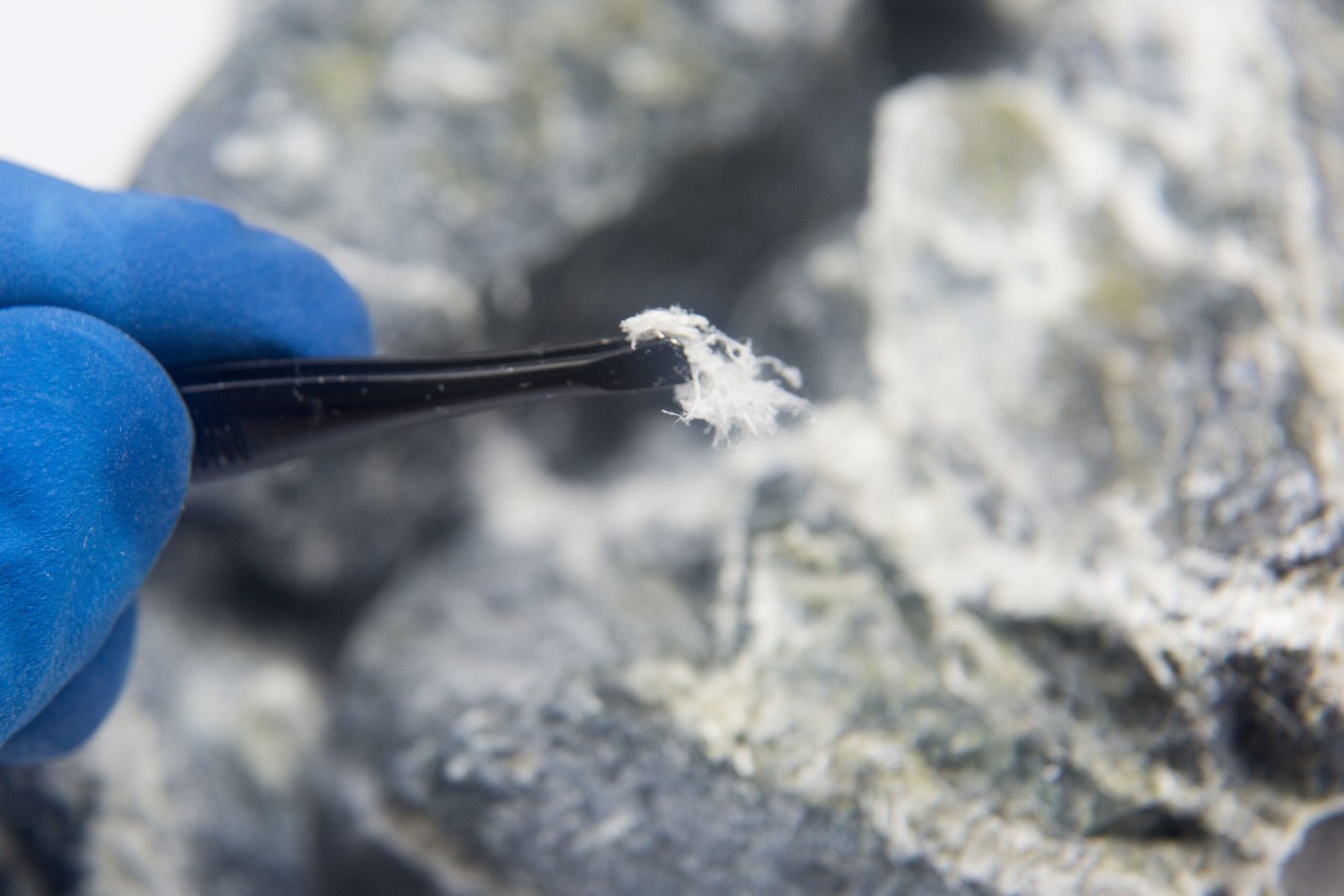
Asbestos refers to a group of naturally occurring fibrous minerals known for their thermal insulation, sound absorption, and fire resistance. Predominantly, there are three types of asbestos: Chrysotile (white asbestos), which is most commonly found in ceilings, walls, and floors of homes; Amosite (brown asbestos), commonly used in cement sheets and pipe insulation; and Crocidolite (blue asbestos), found in spray-on coatings, pipe insulation, plastics, and cement products. Each type, while having distinct properties, poses significant health risks when fibres are inhaled.
The risks associated with asbestos exposure are severe, with conditions such as asbestosis (a chronic lung disease), mesothelioma (a rare form of cancer lining the lungs or abdomen), and other forms of lung cancer being the most alarming. These health issues often manifest decades after exposure, making asbestos particularly dangerous as it may go unnoticed for years. In Nottinghill, where older buildings may still harbour these materials, the risk of exposure remains a significant concern for renovations and demolitions.
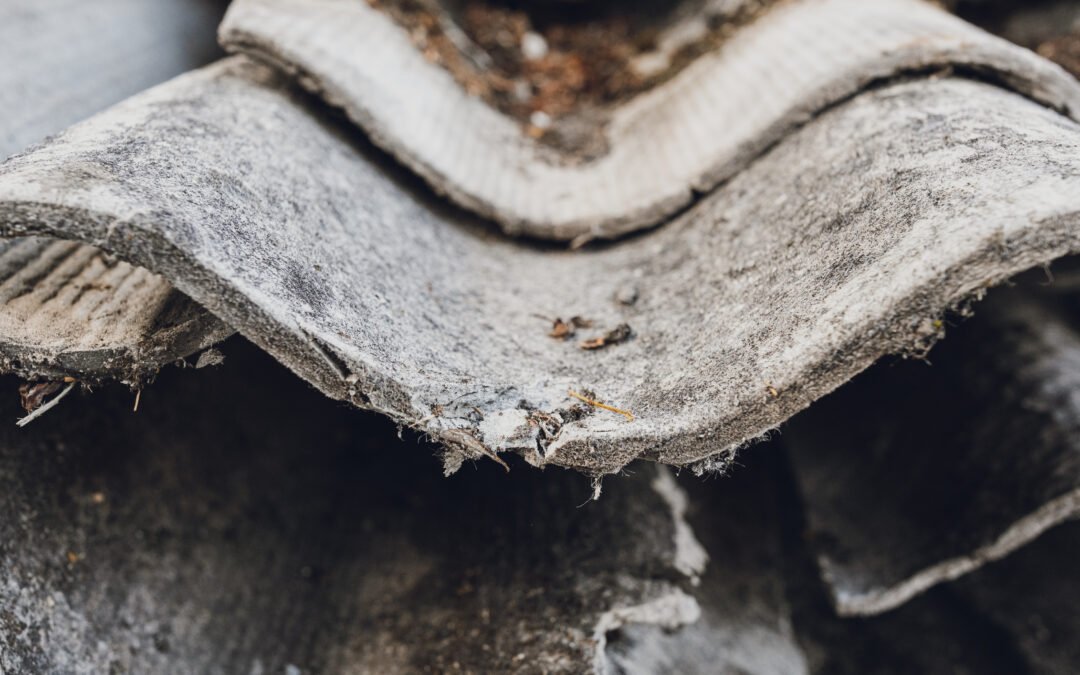
In light of these risks, understanding the type of asbestos and its conditions is essential for determining the appropriate removal strategy. Non-friable asbestos, which is less likely to release fibres, may require different handling compared to friable asbestos, which can be easily crumbled by hand. Proper identification and assessment can prevent unnecessary health risks and ensure that the appropriate safety measures are in place during removal.
Legal Framework: Asbestos Regulations in the UK
In the UK, the handling and removal of asbestos are strictly regulated under several key legislations, primarily the Control of Asbestos Regulations 2012. These regulations impose duties on employers, landlords, and building owners to manage the risks from asbestos in their premises. The regulations stipulate that an asbestos survey must be carried out to determine the presence and condition of any asbestos-containing materials (ACMs). Should ACMs be identified, a detailed management plan must be established to ensure safe handling and removal.
Compliance with these regulations is not only a legal obligation but a crucial aspect of public health protection in Nottinghill. Failure to comply can result in hefty fines and significant legal consequences. Property owners are required to maintain records of the location and condition of ACMs and review their management plans periodically. Furthermore, any asbestos removal work must be notified to the relevant local authority days before commencement, ensuring that all safety protocols are followed.
The UK also mandates that any contractor involved in the removal of asbestos must be licensed by the Health and Safety Executive (HSE). This ensures that they are equipped with the necessary expertise and equipment to handle asbestos safely. These rigorous requirements highlight the commitment of UK regulations to mitigate the risks associated with asbestos, protecting workers, residents, and the general public from its harmful effects.
Preparing for Asbestos Removal: A Step-by-Step Guide
The first step in preparing for asbestos removal in Nottinghill is to conduct a thorough asbestos survey. This will determine the presence, type, and condition of any asbestos-containing materials. This survey should be carried out by licensed professionals who can provide detailed insights and recommendations based on the findings. The survey results will inform the scope of removal needed and the level of precaution required.
Once the presence of asbestos has been confirmed, the next step is to plan the removal process. This involves setting up a detailed work plan that outlines the methods and timelines for the asbestos removal. It is crucial that this plan complies with UK safety regulations to ensure that all aspects of the removal are legally compliant and safe. The plan should also include measures for emergency situations, ensuring that all scenarios are covered.
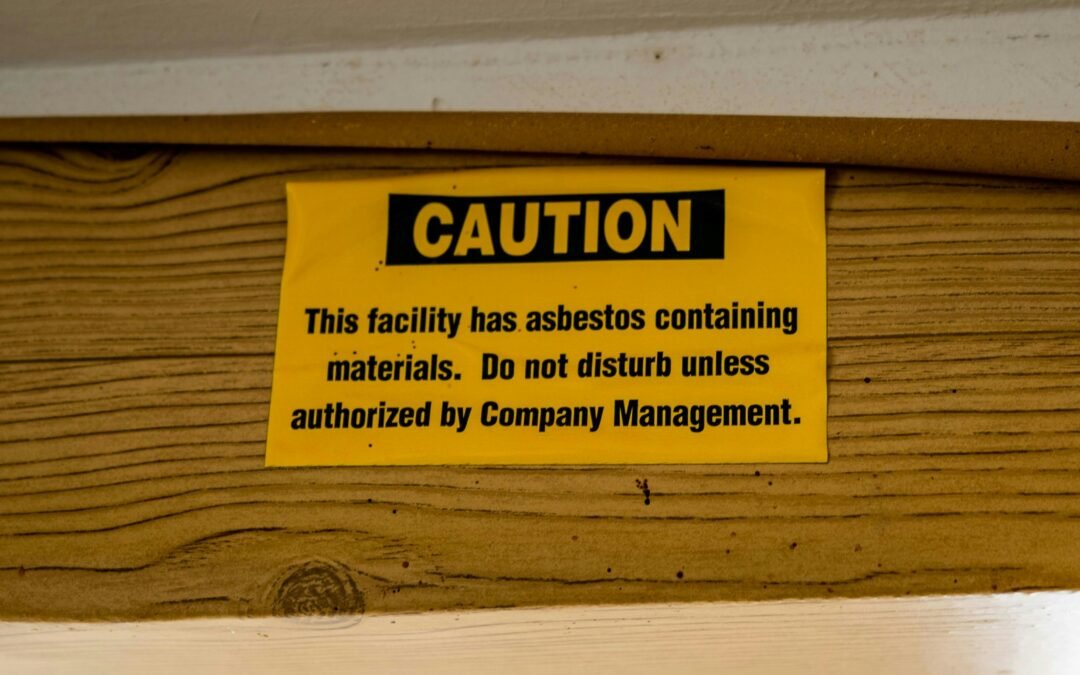
Before the actual removal process begins, it’s important to notify all potentially affected parties. This includes not only regulatory bodies but also neighbours and tenants. Effective communication helps manage the expectations of all stakeholders and minimizes disruptions. Safety measures, such as sealing off the area and using appropriate signage, should be implemented to ensure that no unauthorized personnel can enter the premises during the removal process.
Health and Safety Measures During Asbestos Removal
During the asbestos removal process, maintaining stringent health and safety measures is paramount. The use of appropriate personal protective equipment (PPE) such as respirators, gloves, and protective clothing is mandatory to minimize exposure to asbestos fibres. Moreover, the area where asbestos removal is being conducted should be hermetically sealed off to prevent any fibres from escaping and contaminating surrounding areas.
Air monitoring should be conducted by an independent company to ensure that the asbestos fibre concentration does not exceed permissible levels. This is crucial to protect not only the workers involved in the removal but also the residents and businesses in the surrounding area. Regular monitoring helps ensure that the control measures are effective and continue to protect everyone’s health.
Additionally, all asbestos waste should be wetted down to prevent dust formation and carefully disposed of according to legal and environmental standards. This involves using sealed containers and labelling them appropriately to ensure they are handled correctly at waste processing facilities. The safe disposal of asbestos waste is a critical component of the health and safety protocol, helping to prevent any future environmental contamination.
Post-Removal Procedures: Ensuring Complete Safety
After the asbestos removal has been completed, it’s important to carry out a thorough decontamination of the removal site. This involves cleaning all surfaces, tools, and equipment used during the removal process to ensure no traces of asbestos remain. A visual examination followed by air monitoring should be conducted to confirm that the area is free from asbestos fibres. Only after these procedures can the containment measures be dismantled.
Obtaining a clearance certificate from a licensed asbestos assessor is vital before reoccupying the space. This certificate serves as proof that the asbestos has been removed correctly and that the area is safe for occupancy. This step is crucial for peace of mind for all stakeholders and is also a compliance requirement under UK law.
Keeping detailed records of the asbestos removal process, including documentation of the waste disposal, air monitoring results, and clearance certificates, is important for future reference. These documents can be invaluable in the event of future renovations or for health and safety audits. They serve as proof of diligent management of asbestos materials, aligning with legal obligations and public health guidelines.
Future Prevention: Avoiding Asbestos Risks in Buildings
To prevent future asbestos risks in Nottinghill, it’s advisable to implement a robust asbestos management plan for all buildings known to contain these materials. Regular inspections and monitoring can detect potential disturbances or deteriorations in asbestos-containing materials and allow for timely intervention. Education and awareness training for property owners and managers can also play a crucial role in mitigating risks.
For new constructions, alternatives to asbestos-containing materials should be considered. Many safer substitutes provide similar benefits without posing health hazards. Utilizing modern, non-toxic building materials can prevent the introduction of asbestos into new buildings, ensuring a safer environment for future generations.