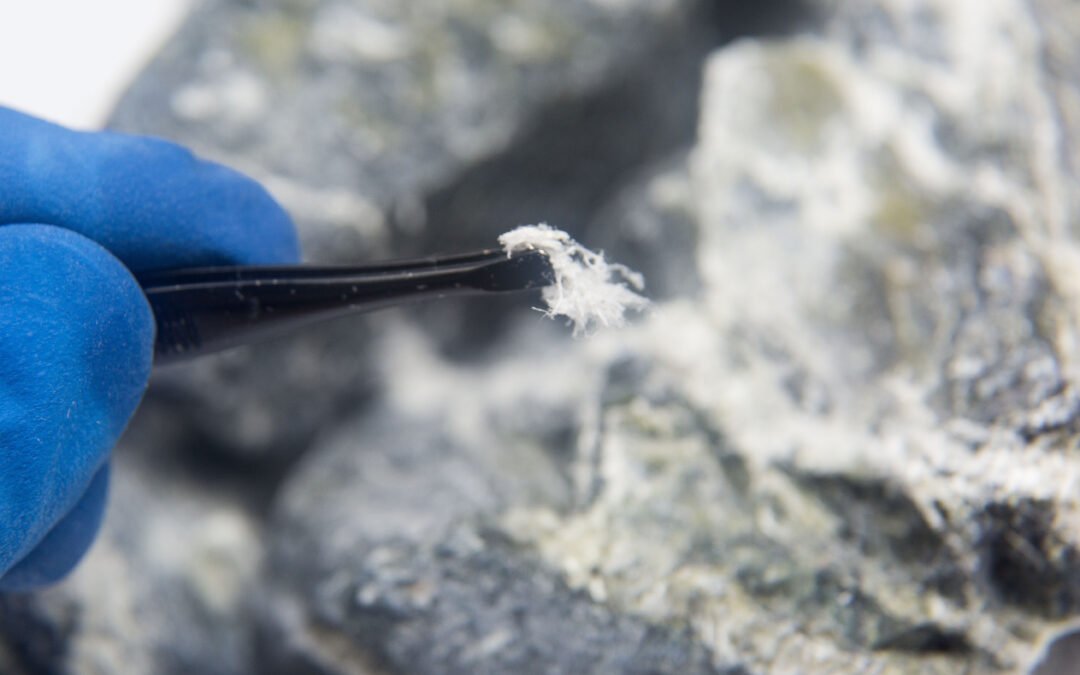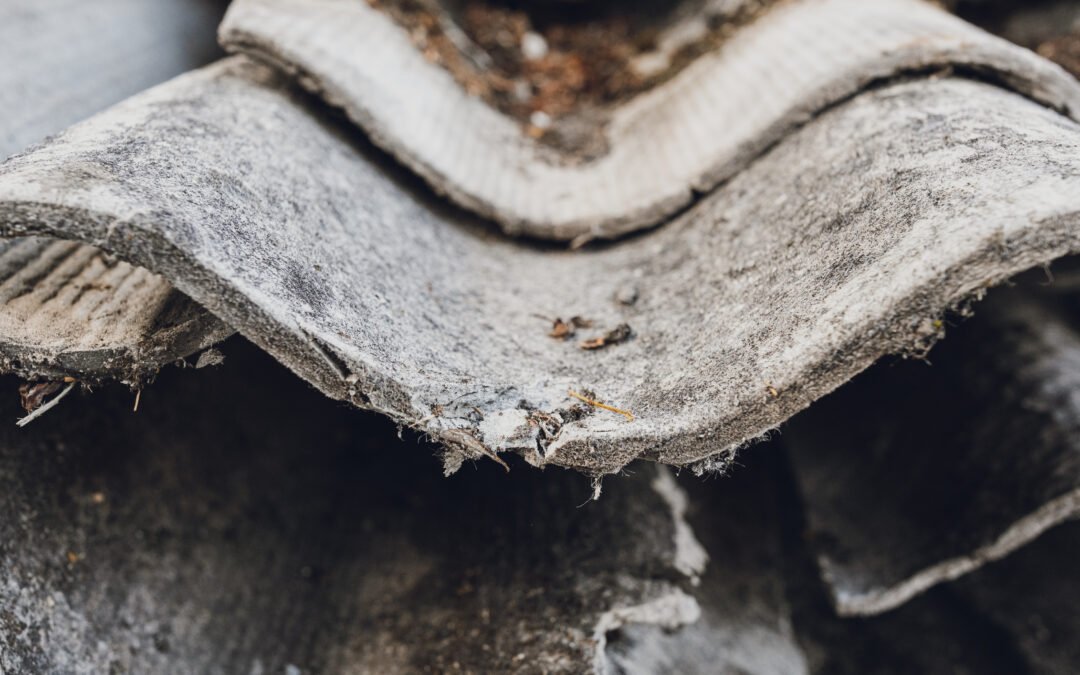
Asbestos is a group of naturally occurring fibrous minerals that were extensively used in construction and various industries for their durability, fire resistance, and insulating properties. However, it has been found to pose serious health risks when its fibres are inhaled, leading to diseases such as mesothelioma, lung cancer, and asbestosis. The presence of asbestos in buildings, particularly those built before the year 2000 in Epsom, necessitates a careful approach to its handling and removal.
In the UK, the most commonly found types of asbestos are Chrysotile (white asbestos), Amosite (brown asbestos), and Crocidolite (blue asbestos). Each type has different properties and levels of hazard, but all are dangerous to human health. Understanding which type of asbestos is present in a property is crucial for determining the most effective removal strategies and ensuring that all legal and safety requirements are met.
Identifying asbestos can be challenging without professional help since it can be mixed with other materials. Homeowners and property managers in Epsom must consider professional asbestos surveys to accurately identify and assess the asbestos-containing materials (ACMs) before any renovation or demolition activities are undertaken.
Legal Requirements for Asbestos Removal in Epsom
In the UK, asbestos removal is heavily regulated to protect public health and the environment. The Control of Asbestos Regulations 2012 outlines strict guidelines that must be followed in Epsom and across the country. These regulations require that any handling or removal of asbestos materials be performed by licensed professionals to prevent asbestos fibres from becoming airborne and inhaled by workers or the public.
For non-licensed asbestos work, which covers materials less likely to release fibres, there is still a legal obligation to adhere to specific safety practices and to notify the relevant local authorities, in this case, the Epsom and Ewell Borough Council, before commencing work. This ensures that all asbestos removal or disturbance activities are performed under controlled conditions, minimizing exposure risks.
Failure to comply with these legal requirements can result in severe penalties, including heavy fines and imprisonment. Property owners and contractors in Epsom must ensure that they are fully aware of their responsibilities under the law and engage only those asbestos removal firms that hold valid licenses and adhere to the statutory codes of practice.
Preparation Steps Before Asbestos Removal
Prior to the commencement of any asbestos removal work in Epsom, several preparatory steps must be taken to ensure a safe and efficient process. Firstly, a detailed asbestos survey should be conducted to identify the type, location, and condition of asbestos-containing materials in the property. This survey will guide the development of a bespoke asbestos management plan.
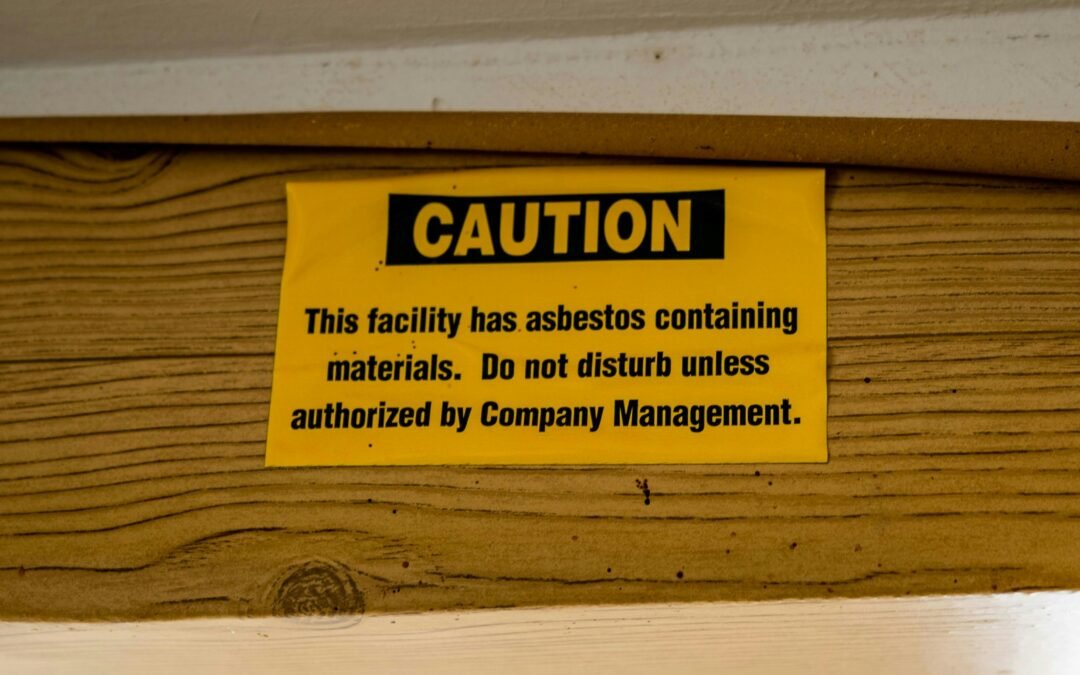
Following this, the area around the asbestos materials needs to be completely sealed off to prevent the spread of fibres during removal. This may involve the use of plastic sheeting and duct tape to create containment areas, as well as setting up negative pressure units to control the airflow. Warning signs should also be placed around the work area to inform of the hazards present.
It is also essential for all occupants to vacate the building during the removal process, and for all movable items to be either removed or covered with protective sheeting to prevent contamination. These steps form an integral part of the risk mitigation strategy, safeguarding everyone involved from undue exposure.
Comprehensive Process of Asbestos Removal
The actual process of asbestos removal in Epsom involves several meticulous steps, carried out by trained professionals. Initially, the asbestos material is thoroughly dampened to minimize fibre release. Specialized tools are then used to carefully remove the asbestos-containing materials from the premises, ensuring that the integrity of the fibres is not compromised during the process.
Once the asbestos is removed, all surfaces within the containment area are meticulously cleaned using HEPA vacuums and wet wiping techniques to ensure that no residual fibres remain. This thorough cleaning process is critical to preventing any potential cross-contamination or lingering health risks.
During the removal process, continuous air monitoring is conducted to ensure that the airborne fibre concentrations do not exceed safe levels. This monitoring serves as both a safety measure and a compliance requirement, ensuring that the removal process does not pose a health threat to workers or the public.
Health and Safety Measures During Removal
Health and safety are paramount during the asbestos removal process. All workers involved in the removal in Epsom must wear appropriate personal protective equipment (PPE), including respirators, disposable coveralls, and gloves. This equipment protects workers from inhaling asbestos fibres, which can cause severe respiratory health issues.
Training is also a critical component of health and safety measures. Workers must be trained not only in asbestos removal techniques but also in emergency procedures in case of accidental exposure or other onsite incidents. This training ensures that all personnel can handle unexpected situations effectively and safely.
Additionally, the implementation of strict access controls to the worksite prevents unauthorized personnel from entering the area and potentially being exposed to harmful asbestos fibres. These safety protocols collectively help to mitigate any risks associated with the removal process, ensuring a safe environment for both workers and the general public.
Post-Removal Cleanup and Waste Disposal
After the asbestos has been successfully removed, a thorough cleanup of the site is essential. This involves not only the removal of all containment materials but also a final decontamination of all tools and equipment used during the removal process. Ensuring that no traces of asbestos remain on the site prevents any future exposure risks.
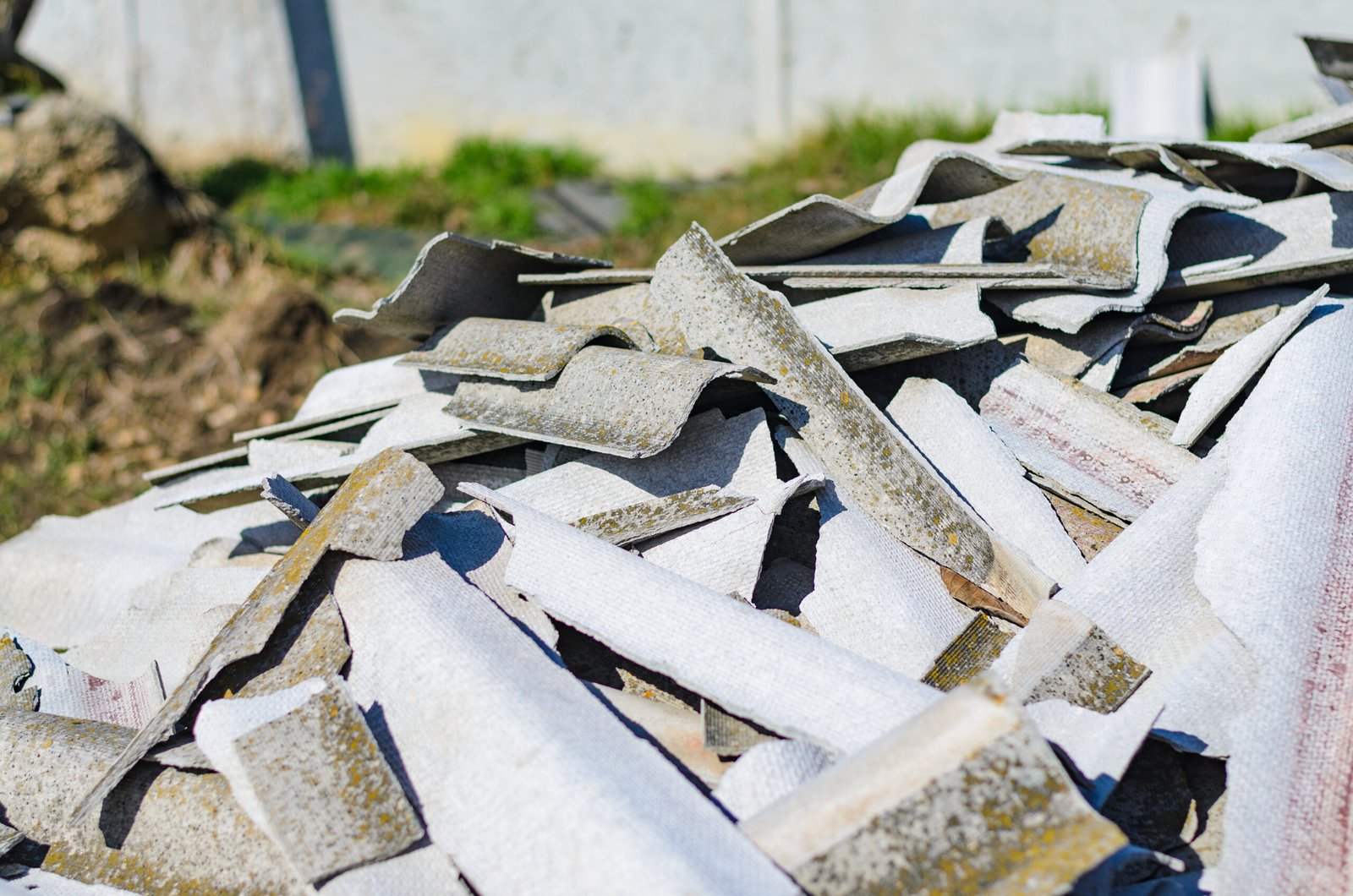
The disposal of asbestos waste is strictly regulated in the UK. All asbestos waste from Epsom must be transported to licensed hazardous waste disposal sites. These facilities are equipped to handle and treat asbestos waste in a manner that prevents environmental contamination, ensuring that asbestos does not re-enter the environment.
Documentation of the entire asbestos removal and disposal process is also a critical step. This documentation often includes waste consignment notes, which track the journey of asbestos waste from the point of origin to the disposal facility. Maintaining such records is not only a legal requirement but also serves as proof of compliance with all regulatory obligations, providing reassurance to property owners and future developers.
Future Asbestos Management and Prevention
Even after the removal of asbestos, ongoing management and prevention strategies are essential in Epsom to ensure that the risks associated with asbestos do not recur. This involves regular inspections of properties to identify any potential new risks from materials that were not previously identified. Education and awareness programs can also play a crucial role in preventing future asbestos use and exposure.
For properties where asbestos removal is not immediately feasible, a rigorous asbestos management plan must be implemented. This plan outlines how to safely manage the presence of asbestos in situ, including regular monitoring and containment strategies to prevent fibre release into occupied spaces.
Continuous improvement in asbestos handling practices, guided by advances in technology and changes in legislation, also contributes to the better management and eventual eradication of asbestos-related risks. For the residents and property owners of Epsom, staying informed about such developments is key to ensuring a safe and healthy living environment.