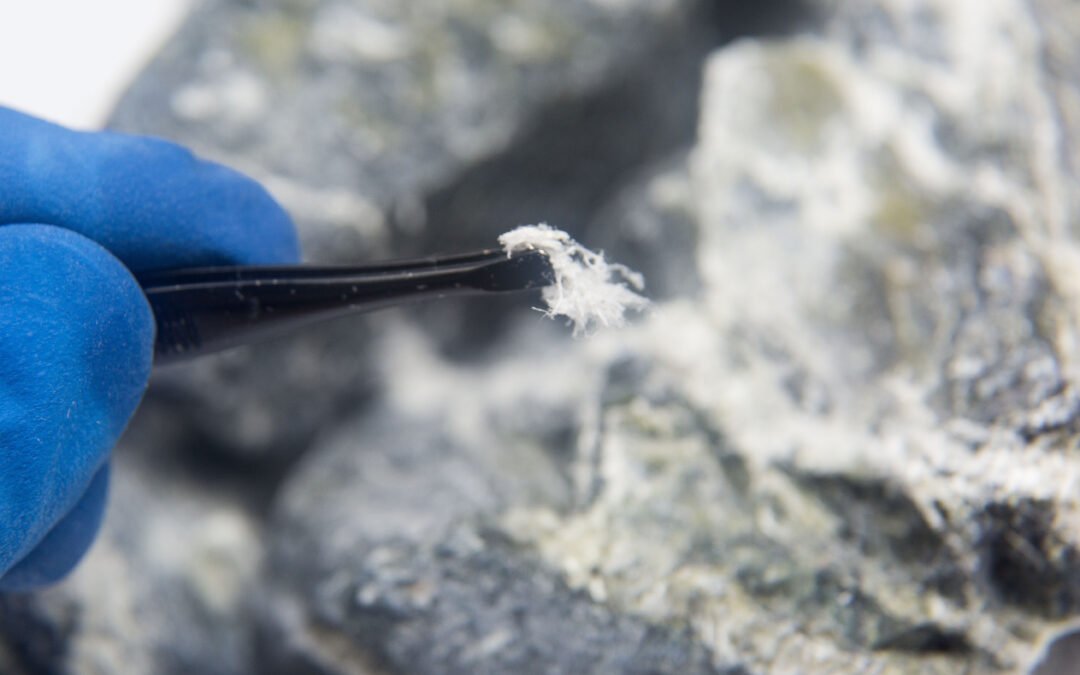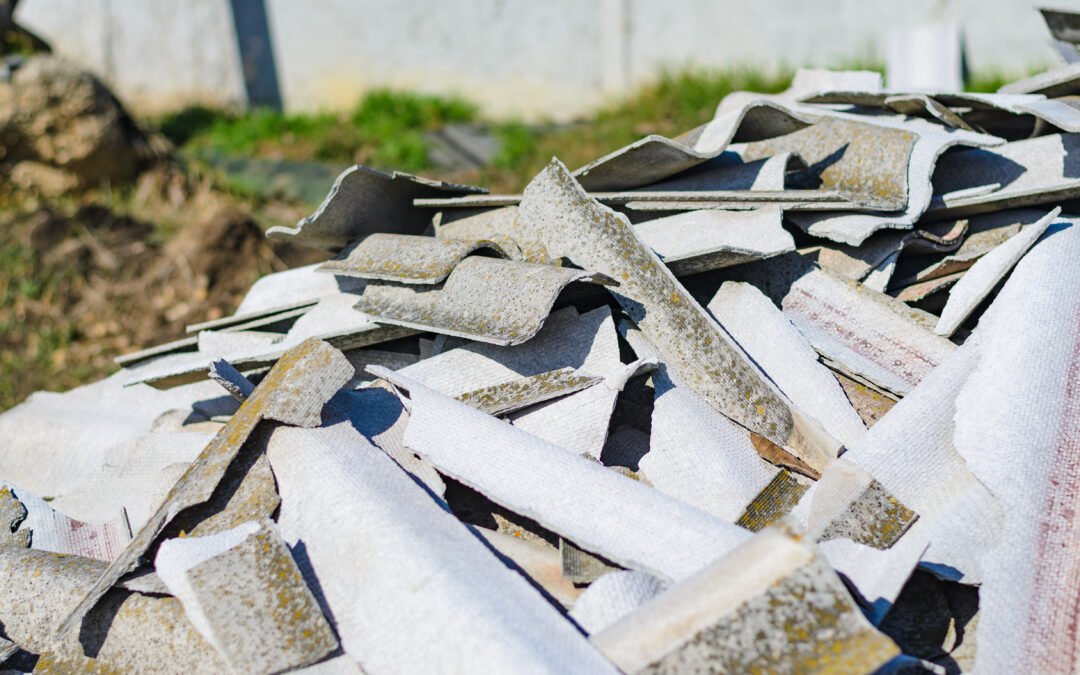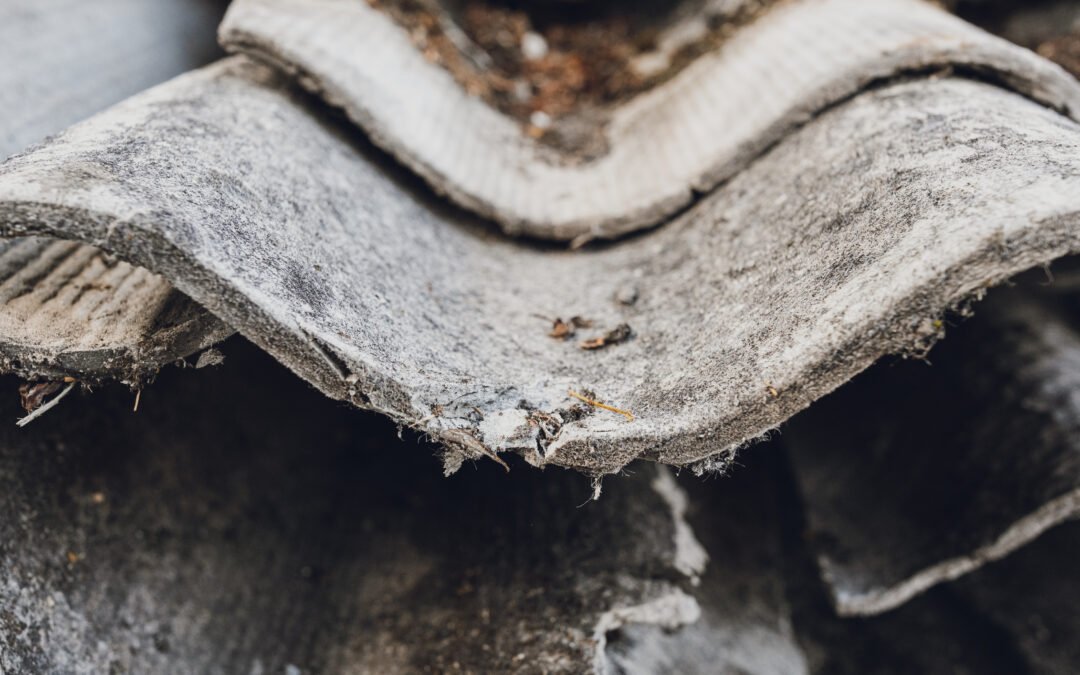
Asbestos, once a popular building material in the UK due to its heat resistance and insulating properties, is now recognised for its substantial health risks. When disturbed, asbestos fibres are released into the air and can be inhaled, leading to serious respiratory conditions, including asbestosis, lung cancer, and mesothelioma. Identifying asbestos in a building in Staines Upon Thames typically requires a professional survey. The material was commonly used in floor tiles, roofing, and as lagging on pipes and boilers in properties built before the year 2000.
The initial step in managing asbestos risks is to conduct a thorough identification process. This involves visual inspections and sampling of materials suspected of containing asbestos, carried out by certified experts. Homeowners and property managers should be cautious not to undertake any renovation or demolition activities in older buildings until a clear assessment has been made. This proactive identification is crucial in preventing health risks to occupants and workers alike.
Understanding the types of asbestos (chrysotile, amosite, and crocidolite) and their applications helps in assessing the risk level and determining the urgency for removal. In Staines Upon Thames, where many older buildings exist, the prevalence of asbestos-containing materials can be quite high, necessitating heightened awareness and expert intervention for safe management and removal.
Regulations Governing Asbestos Removal in Staines
In Staines Upon Thames, as in the rest of the UK, asbestos removal is tightly regulated to protect both public health and the environment. The Control of Asbestos Regulations 2012 is the primary legislative framework that outlines the duties of employers and landlords to manage asbestos risks. These regulations require that any handling of asbestos materials must be done by licensed professionals to ensure safety and compliance with the law.
Local councils in and around Staines also set specific guidelines and may require notifications or permits before commencing asbestos removal projects. It is essential for property owners to consult with the Spelthorne Borough Council to understand local requirements and ensure that all necessary paperwork is completed. Non-compliance can lead to significant fines and potential health hazards.
These regulations not only ensure that asbestos is removed safely but also that all parties involved are adequately protected. By adhering to these stringent rules, property owners can mitigate risks and ensure that the removal process is conducted within the legal framework, thus avoiding any legal repercussions and contributing to the safety of the community.
Preparation and Safety Measures for Removal
Before the commencement of any asbestos removal work in Staines Upon Thames, thorough preparation is vital. This includes setting up containment and decontamination units to prevent the spread of asbestos fibres during the removal process. All workers must be equipped with personal protective equipment (PPE), such as respirators and disposable overalls, to safeguard their health.
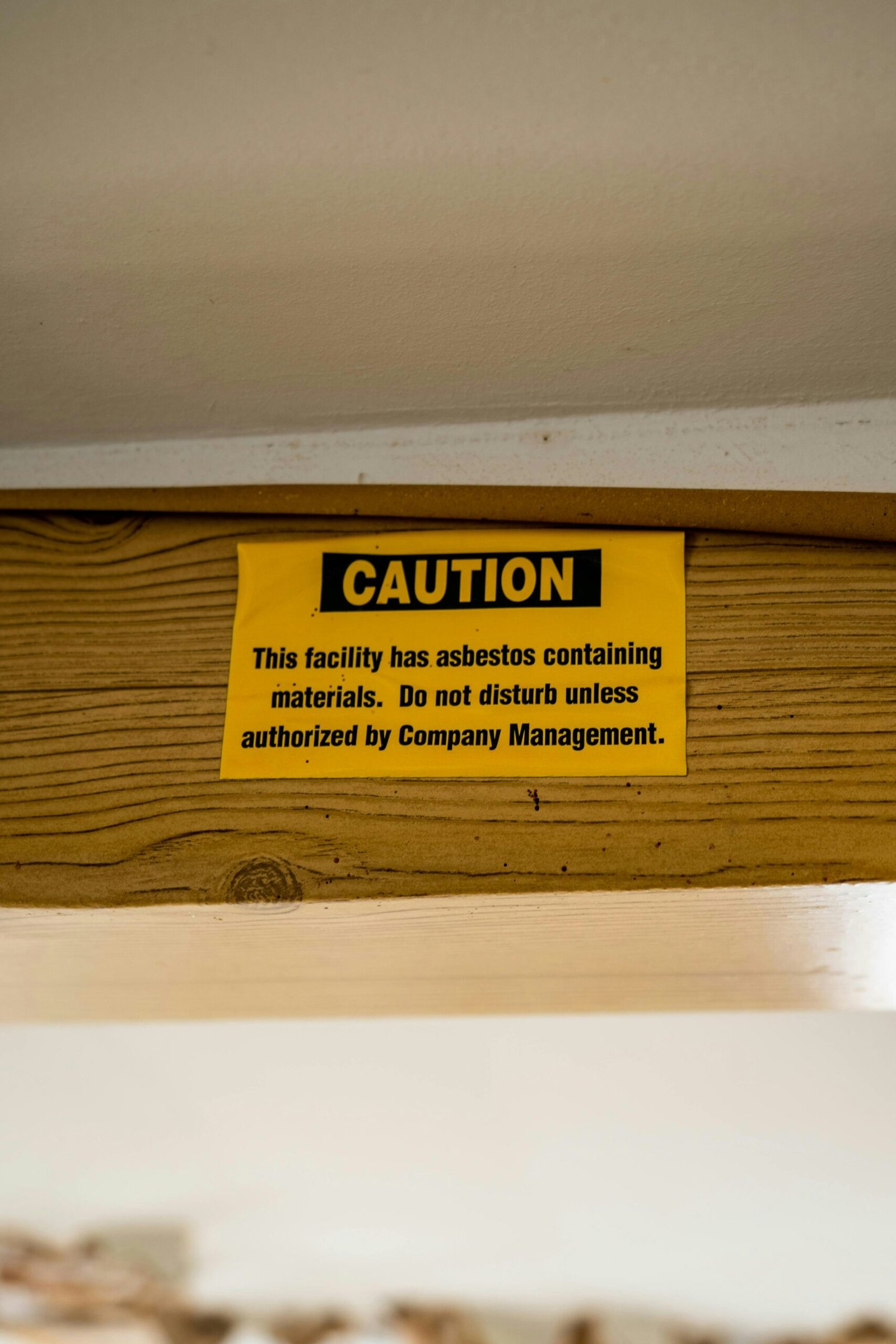
The area where asbestos is present must be evacuated and sealed off to restrict access and avoid contamination. Warning signs should be posted at strategic locations to inform residents and passersby of the ongoing work. Air filtration systems are also installed to capture airborne asbestos fibres, thereby protecting the surrounding environment and ensuring that the air quality remains within safe limits.
These safety measures are designed not only to protect the removal crew but also to prevent any asbestos contamination from affecting the building occupants and the general public. Effective preparation helps in achieving a controlled and safe removal process, thereby significantly reducing potential health risks associated with asbestos exposure.
Step-by-Step Process of Asbestos Removal
The process of asbestos removal in Staines Upon Thames follows a structured and systematic approach to ensure safety and compliance with regulations. Initially, all identified asbestos-containing materials are thoroughly dampened to minimise dust. The materials are then carefully removed, avoiding any actions that may cause fibres to become airborne, such as breaking or sawing.
Once the asbestos materials are removed, they are securely wrapped in heavy-duty plastic sheeting and sealed with tape to prevent any escape of fibres. These wrapped materials are then safely transported to an approved disposal facility. Throughout the process, continuous air monitoring is conducted to ensure that the asbestos fibre concentration in the air remains below the recommended limits.
This meticulous process is crucial in mitigating the inherent risks of working with asbestos. By following these steps, asbestos removal professionals can ensure that the material is handled with minimum risk to workers and the environment, aligning with both health standards and legal requirements.
Handling and Disposal of Asbestos Materials
Proper handling and disposal of asbestos waste are critical components of the asbestos removal process in Staines Upon Thames. All asbestos waste must be double-bagged in heavy-duty polythene bags and clearly labeled as hazardous material. These bags are then transported in covered, secure vehicles to designated landfill sites that are approved to handle asbestos.
It is important for the removal firm to maintain detailed records of the asbestos waste, including its quantity and the disposal location. This documentation is essential for regulatory compliance and for future reference, should issues arise regarding the disposal.
The careful handling and disposal process minimizes environmental impact and prevents potential contamination or illegal dumping, which could lead to severe legal penalties and environmental harm. By ensuring that these practices are followed, Staines Upon Thames maintains its commitment to public safety and environmental protection.
Post-Removal Cleaning and Safety Checks
Following the removal of asbestos materials, a thorough cleaning of the premises using specialized vacuum cleaners equipped with HEPA filters is essential. This step ensures that no residual asbestos fibres remain in the area, which could pose health risks. The cleaning process includes all surfaces, ducts, and ventilation systems within and surrounding the affected area.
After cleaning, a series of air quality tests are conducted to confirm that the area is free from asbestos fibres and safe for reoccupation. These tests are critical as they provide assurance to the property owners and occupants that the environment is secure and complies with health standards.
The completion of post-removal cleaning and rigorous safety checks represents a crucial final step in the asbestos abatement process. This not only enhances the safety of the immediate environment but also helps in restoring the property to its original condition, ensuring it is safe for future use without any associated health risks.