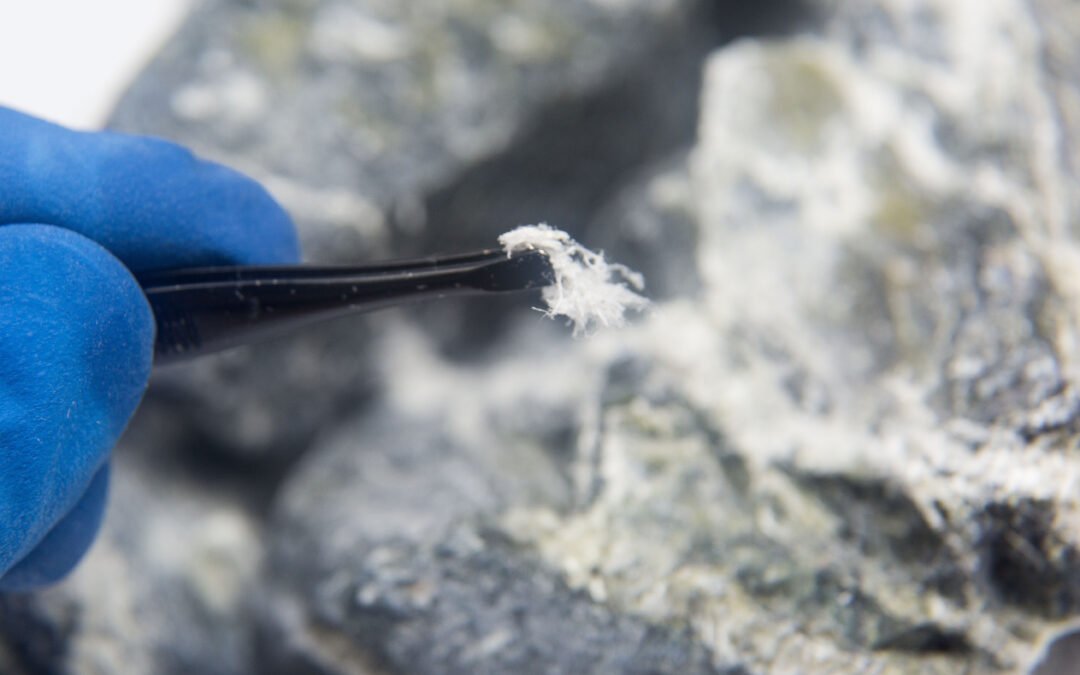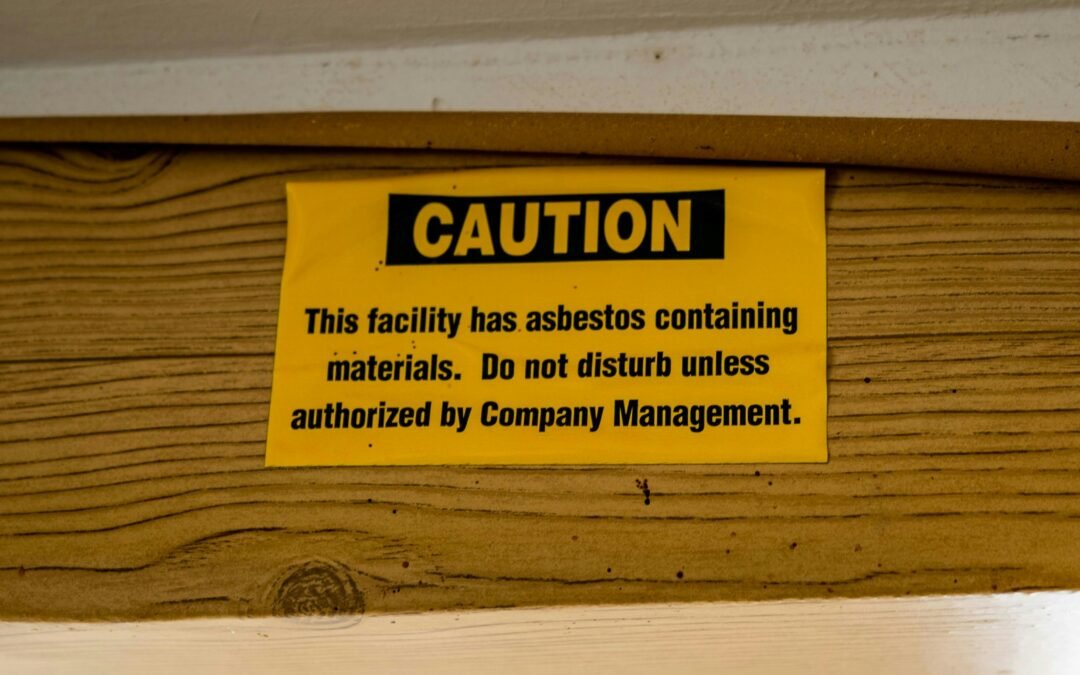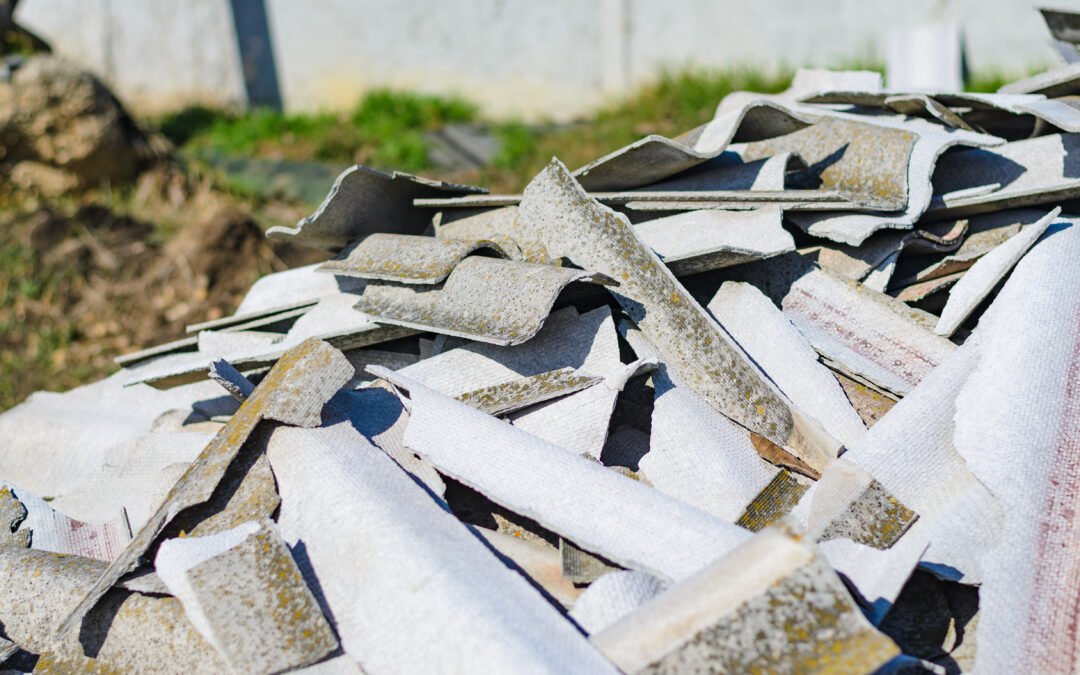
Asbestos, a material once widely used in building construction for its durability and heat resistance, poses significant health risks if disturbed. In Epsom, many buildings constructed before the year 2000 may contain asbestos materials. These can become hazardous when renovation or demolition projects disturb them, releasing fibres into the air. Asbestos exposure is linked to serious diseases including mesothelioma, lung cancer, and asbestosis, conditions that often manifest decades after exposure.
The geographical and architectural landscape of Epsom, with its blend of historic and modern structures, necessitates a keen awareness of where asbestos might be hidden. From old municipal buildings to residential homes, the potential for asbestos presence is considerable. Recognising these risks is the first step towards mitigating potential health impacts, particularly during construction or renovation works.
Educating property owners and the public about the dangers associated with asbestos is vital. Awareness campaigns and asbestos surveys before beginning any building work can help identify and assess the asbestos risk. This is a crucial measure in preventing inadvertent exposure and ensuring that proper management and removal processes are followed to safeguard public health.
Selecting Qualified Asbestos Removal Experts
Choosing the right professionals for asbestos removal in Epsom is critical. Qualified and licensed asbestos removal experts are equipped with the necessary skills and knowledge to handle hazardous materials safely. It is essential to select contractors who are HSE (Health and Safety Executive) licensed, as this ensures they meet strict standards for health and safety management.
When selecting an asbestos removal service, it is advisable to review their track record and seek testimonials from previous clients. This can provide insights into their reliability and effectiveness in safely handling asbestos. Additionally, experts should be able to offer a comprehensive service, including initial surveys, risk assessment, removal, and disposal, ensuring all aspects of the process are managed effectively.
Benefits of using qualified experts include reduced risk of improper handling, compliance with legal standards, and peace of mind knowing that the removal process is carried out safely and efficiently. This not only protects those directly involved in the removal process but also the wider community from potential exposure.
Comprehensive Steps in Asbestos Removal
The asbestos removal process in Epsom is meticulous, designed to ensure complete eradication and minimal risk of fibre release. Initially, a detailed survey is conducted to identify the presence and extent of asbestos-containing materials. This is typically followed by a risk assessment to determine the safest method of removal, taking into account the condition of the materials and their location.
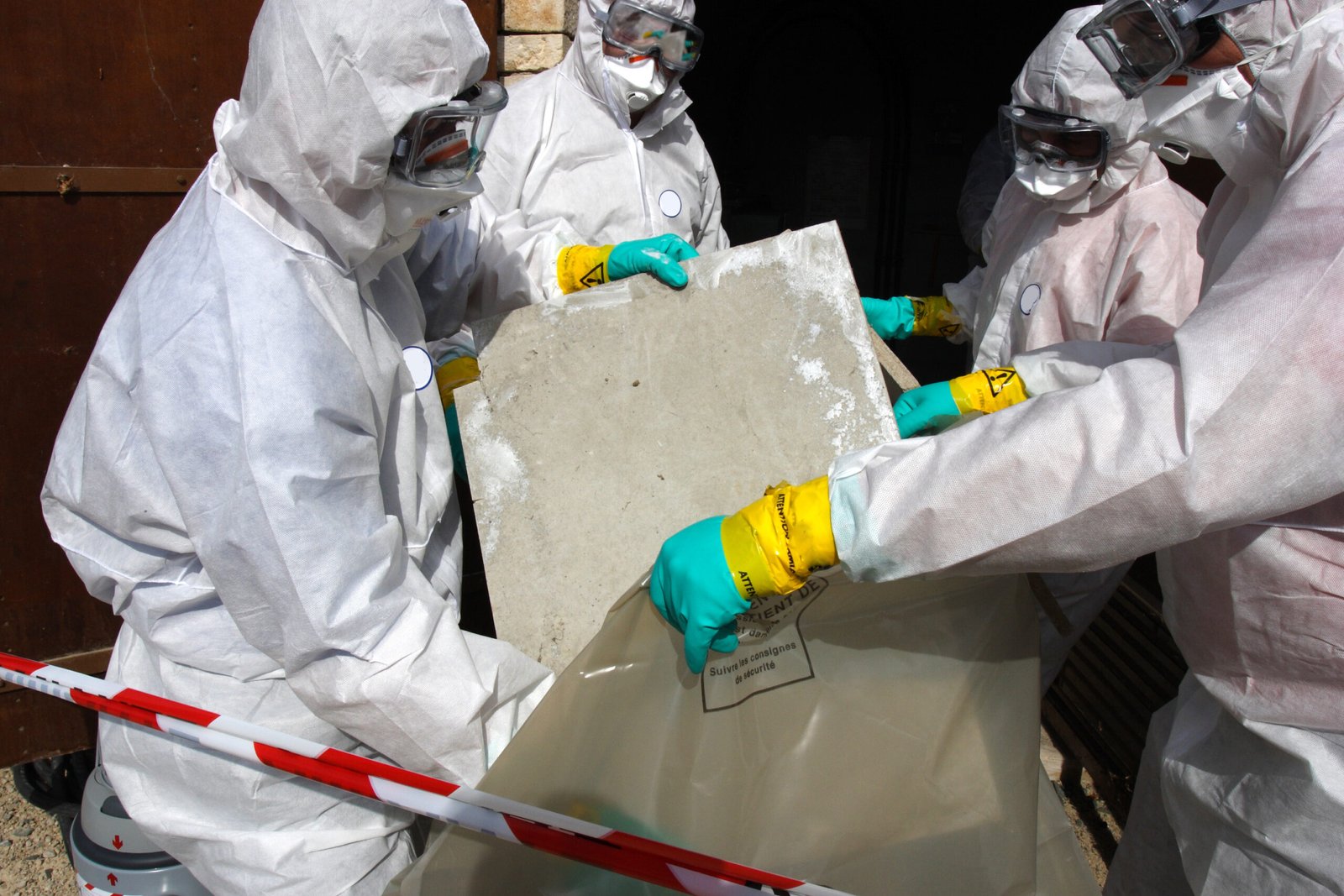
During the removal phase, containment measures are critical. These may include sealing off the area and using specialised equipment such as HEPA-filtered vacuums and air purification systems to prevent the spread of asbestos fibres. Skilled professionals wearing protective gear safely remove the asbestos, which is then securely bagged and transported to designated disposal sites.
The final phase involves a thorough cleaning of the premises and air monitoring to ensure that no residual fibres remain. This comprehensive approach not only ensures that the asbestos is removed safely but also that the property is left safe for future use, thus providing reassurance to property owners and occupants.
Adhering to UK Asbestos Safety Regulations
In the UK, asbestos removal is heavily regulated to protect workers and the public from the dangers of asbestos exposure. The Control of Asbestos Regulations 2012 outlines the legal responsibilities for managing and removing asbestos. Compliance with these regulations is mandatory in Epsom, as in the rest of the UK, and includes requirements such as maintaining up-to-date records of asbestos presence and condition and notifying the relevant authorities before commencing removal.
Failure to comply with these regulations not only poses a health risk but also can result in significant legal penalties. Professional asbestos removal firms in Epsom are adept at navigating these regulations, ensuring that all legal requirements are met. This includes conducting all work in accordance with approved codes of practice and ensuring all personnel involved are adequately trained and equipped.
The benefit of strict adherence to safety regulations includes a reduction in the risk of accidental exposure to asbestos and legal liability. This compliance protects businesses and property owners alike, contributing to a safer community environment.
Tools and Techniques for Safe Asbestos Handling
Advanced tools and techniques are employed during asbestos removal to ensure the safety of workers and the public. One of the primary tools used is the HEPA-filter vacuum system, which is designed to trap asbestos fibres that are too small to be caught by regular filters. This prevents fibres from becoming airborne and contaminating the environment.
Encapsulation is another technique often used where the asbestos is not removed but instead sealed within a protective coating that prevents fibres from escaping. This method is used when the removal might pose greater risks than containment. For both techniques, rigorous safety measures are implemented, including the use of personal protective equipment (PPE) such as respirators and disposable coveralls, which are standard practice in the industry.
The utilisation of these advanced tools and techniques significantly minimises health risks, ensuring the asbestos is handled in the safest manner possible. Employing modern methodologies not only enhances efficiency but also bolsters safety standards, providing a reliable means of dealing with asbestos challenges.
Minimising Health Risks During Asbestos Removal
Minimising health risks during asbestos removal involves stringent safety protocols. Before any removal work begins, a detailed plan is drawn up that outlines the procedures for handling the material safely. This includes establishing controlled zones to restrict access to the removal site and utilising airlock systems to prevent the spread of asbestos fibres.
Dust suppression techniques such as wetting down materials can also prevent fibres from becoming airborne. Regular air quality monitoring is conducted to ensure that the concentration of fibres in the air remains below safety thresholds. Additionally, all workers are required to undergo health surveillance to monitor the effects of any potential exposure to asbestos.
These comprehensive health and safety measures are designed to protect not only the workers but also the residents of Epsom from asbestos-related health risks. By implementing best practices and continuous monitoring, asbestos removal projects can be completed without compromising the health of the community.
Post-Removal Cleanup and Safety Checks
Following the removal of asbestos, a thorough cleanup process is essential to ensure that no residual fibres remain. This cleanup involves using specialised vacuum cleaners and damp cloths to remove any dust and debris from the surfaces within the containment area. All waste material is then securely bagged and labelled before being safely transported to an approved disposal site.
Safety checks are an integral part of the post-removal process. A visual inspection is initially conducted by trained professionals to ensure that the area is free from visible asbestos materials. Air quality tests are also performed to detect any residual fibres in the atmosphere, ensuring the environment is safe for reoccupation.
The meticulous approach to post-removal cleanup and safety checks guarantees that the premises are thoroughly decontaminated, providing peace of mind to the property owners and occupants. This not only meets regulatory compliance but also reinforces the commitment to maintaining high safety standards.
Future Prevention: Avoiding Asbestos Risks
To avoid future asbestos risks in Epsom, ongoing management and vigilance are essential. Property owners should maintain an up-to-date asbestos register, especially for buildings known to contain asbestos materials. Regular audits and inspections should be carried out to assess the condition of asbestos-containing materials and ensure they remain undisturbed and intact.
Educational initiatives can further empower homeowners, workers, and professionals to recognise asbestos-containing materials and understand the correct procedures for handling them. This knowledge is crucial in preventing accidental disturbances and exposures, particularly during renovation or demolition activities.
Ultimately, the commitment to ongoing education, stringent regulatory compliance, and the use of qualified professionals for regular checks and removals are key to mitigating asbestos risks in Epsom. Through proactive management and community awareness, the safety and health of the public can be substantially enhanced, ensuring Epsom remains vigilant against the dangers of asbestos.