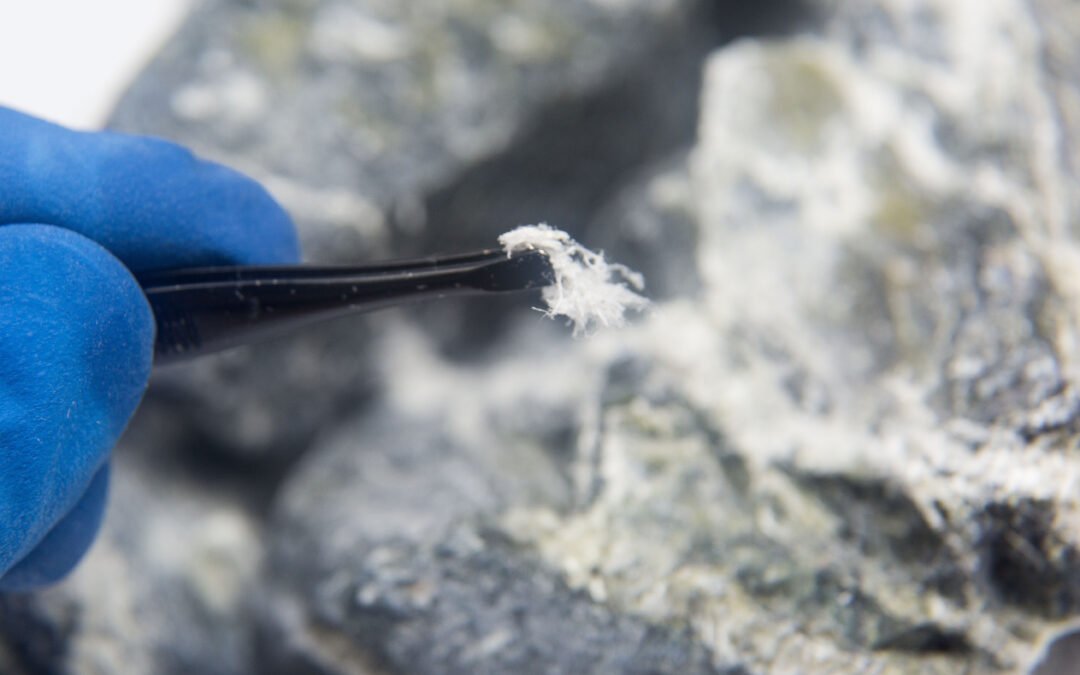
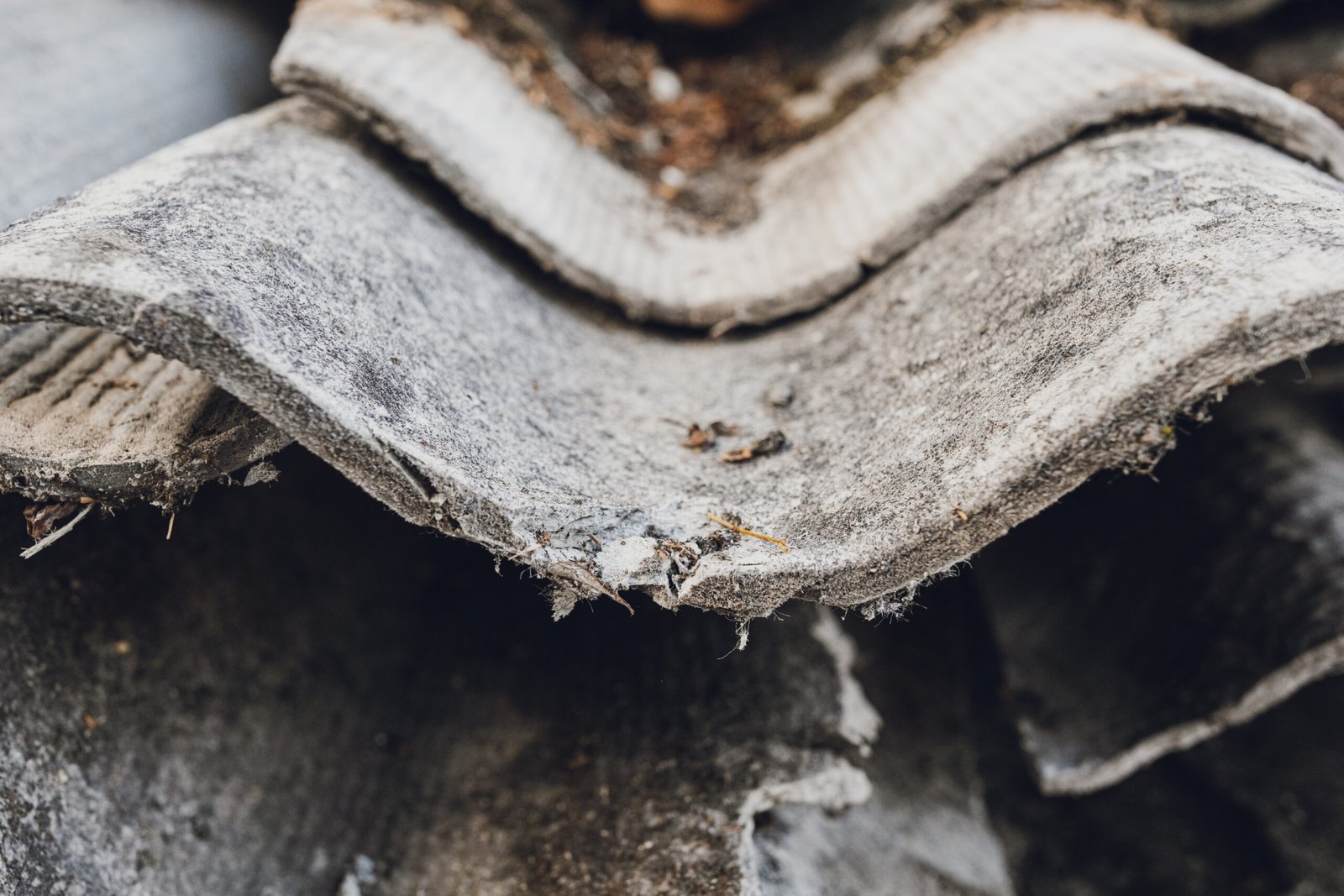
In Nottinghill, the presence of asbestos in older buildings is a concern that necessitates careful management to protect public health and safety. The first step in mitigating the risk involves a thorough assessment conducted by accredited professionals. These experts scrutinize the property to identify materials containing asbestos, evaluating their condition and potential risk of fibre release. This detailed survey ensures that all risks are documented and appropriate measures are planned.
Effective risk assessment also involves air quality testing, where samples are analyzed for airborne asbestos fibres. This is particularly critical in areas where asbestos-containing materials (ACMs) have been disturbed. By quantifying the concentration of fibres, specialists can determine the severity of contamination and the urgency of remediation efforts, providing peace of mind to residents and property owners.
The benefits of a comprehensive asbestos risk assessment include prioritized safety and legal compliance. It helps property owners in Nottinghill understand the exact conditions and locations of asbestos within their properties, facilitating informed decisions on managing or removing the hazardous material. Moreover, a professional assessment minimizes health risks, ensuring that all subsequent handling of ACMs is performed under controlled conditions.
Legal Requirements for Asbestos Disposal
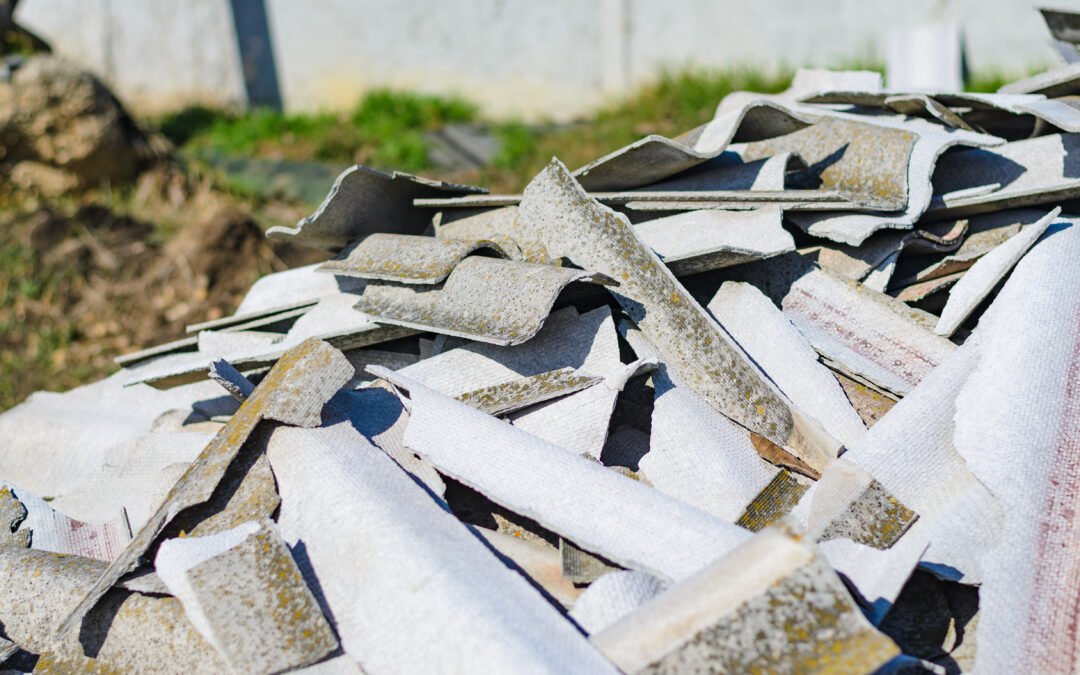
In the UK, the disposal of asbestos is governed by strict regulations to prevent environmental contamination and protect public health. These laws require that any handling, removal, and disposal of asbestos materials must be performed by licensed professionals. The Control of Asbestos Regulations 2012, for instance, outlines specific practices for safely disposing of asbestos, including transport to approved landfill sites that can securely contain asbestos waste.
Compliance with these regulations is critical not only for safety but also to avoid significant fines and legal action. Property owners and contractors in Nottinghill must ensure all asbestos waste is packaged in clearly labelled, sealed containers and accompanied by consignment notes that track its movement from point of origin to disposal. This traceability is crucial for maintaining accountability and ensuring that all asbestos waste is managed appropriately throughout the disposal process.
The benefits of adhering to legal requirements for asbestos disposal include safeguarding community health and preserving the environment. By following government mandates, property owners and contractors help prevent the release of toxic asbestos fibres into the atmosphere, thereby reducing the risk of asbestos-related diseases within the community.
Steps in Professional Asbestos Removal
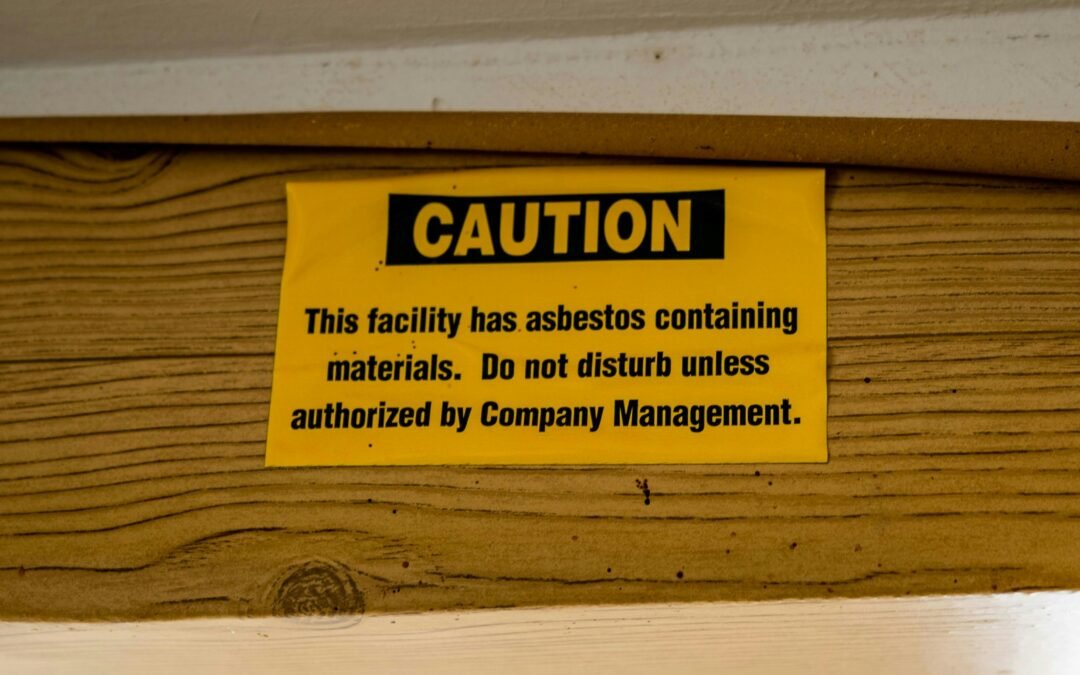
The asbestos removal process in Nottinghill is meticulous and divided into several key steps, starting with the establishment of a secure work area. This area is sealed off using plastic sheeting and negative air pressure units to prevent asbestos fibres from escaping into the environment. Warning signs are also posted to inform everyone that asbestos removal is in progress.
Following the setup, certified professionals wearing protective gear carefully remove the asbestos-containing materials. Specialized tools are used to minimize the disturbance of the asbestos, preventing fibres from becoming airborne. Throughout the process, air monitoring is conducted to ensure that fibre concentrations remain within safe limits, protecting both the workers and the surrounding community.
The final step involves a thorough cleaning of the removal area using high-efficiency particulate air (HEPA) vacuums and wet wiping surfaces to eliminate any residual fibres. Once the removal is complete, the area is inspected and an air clearance test is performed to confirm that it is safe for normal use. This methodical approach ensures that all traces of asbestos are removed effectively, reducing future health risks.
Health Safety Protocols During Removal
During asbestos removal, stringent health and safety protocols are enforced to protect workers and the public. These include the use of personal protective equipment (PPE), such as respirators, disposable coveralls, and gloves, which are essential to prevent inhalation or ingestion of asbestos fibres. The containment of the work area mentioned earlier is another crucial safety measure, containing the fibres to a controlled space.
Furthermore, all removal activities are supervised by a competent authority who ensures that the work is carried out according to safe working practices. Regular training and refresher courses are mandatory for all personnel involved in asbestos removal, ensuring they remain informed about the latest safety procedures and emergency responses.
The benefits of adhering to these health safety protocols include the minimization of health risks associated with asbestos exposure and compliance with legal safety standards. These measures protect not only the workers but also residents and the general public in Nottinghill, maintaining a safe living environment during and after the removal process.
Post-Removal: Ensuring a Safe Environment
After the removal of asbestos, ensuring that the environment remains safe for occupancy is paramount. This involves a comprehensive decontamination of the removal area, including the use of HEPA vacuums and wet cleaning methods as previously described. Additionally, all tools and PPE used during the removal process are properly disposed of or decontaminated to prevent any cross-contamination.
Air quality monitoring continues even after the physical removal of asbestos to ensure the area is completely free of airborne fibres. An independent licensed surveyor typically conducts a thorough visual inspection followed by air sampling, which must meet the clearance criteria before the area can be reoccupied. This rigorous assessment provides reassurance to all stakeholders that the space is safe and free from asbestos hazards.
The benefit of thorough post-removal procedures is the assurance that the property is safe for future use without any lingering health risks. This certainty is crucial for residential areas in Nottinghill, providing peace of mind to homeowners and tenants alike that their living environments are secure.
Future-Proofing Homes Against Asbestos
To prevent future asbestos-related issues in Nottinghill homes, several proactive measures can be taken. Homeowners can opt for asbestos-free materials during renovations or new constructions, ensuring that their properties remain safe and compliant with current health and safety standards. Awareness and education about asbestos and its dangers also play a crucial role in preventing inadvertent disturbances of existing asbestos-containing materials.
Regular inspections and audits by certified professionals can help identify potential asbestos risks in older homes before they become a health hazard. These checks are particularly important for homes built before the year 2000, when the use of asbestos was more common in construction materials.
The long-term benefits of these preventative strategies include maintaining a healthy living environment and enhancing property value. By future-proofing homes against asbestos, residents in Nottinghill can enjoy safer living conditions and protect their investments, ensuring their homes remain desirable and compliant with modern safety regulations.