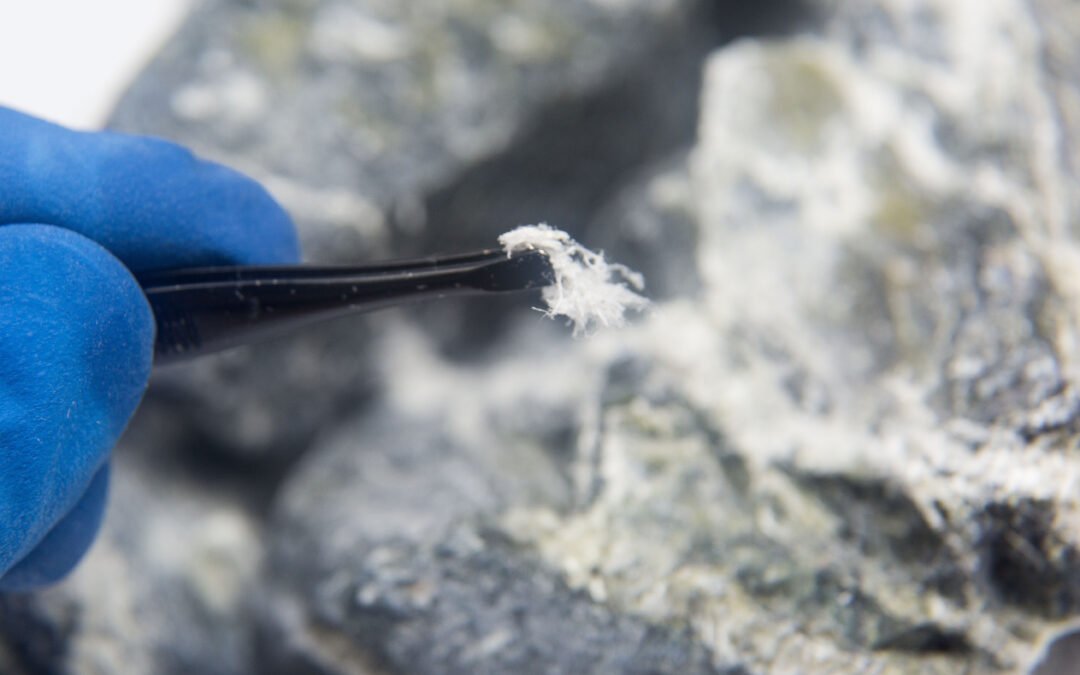
Staines-Upon-Thames, like many areas in the UK, has a rich industrial and residential history that often includes the use of asbestos-containing materials. Commonly used in buildings for its fire-resistant properties before its dangers were fully acknowledged, asbestos now poses significant health risks. When asbestos fibres become airborne, they can be inhaled, leading to serious lung conditions, including asbestosis, lung cancer, and mesothelioma. Recognising these risks is crucial for the health and safety of residents and workers in Staines-Upon-Thames.
In Staines-Upon-Thames, the presence of asbestos is particularly prevalent in buildings constructed before the 2000s. As renovations and demolitions become more frequent due to urban renewal and expansion, the potential for asbestos fibre release increases. This scenario necessitates a heightened awareness and proactive management of asbestos materials to prevent health risks.
It’s crucial for property owners and occupants to understand that undisturbed asbestos may pose minimal risk. However, during any building maintenance, remodelling, or demolition, the disturbance of asbestos-containing materials could release harmful fibres into the air. The local council provides guidance and support on managing asbestos, highlighting the importance of handling the issue with utmost care.
The Importance of Professional Asbestos Removal
Handling asbestos requires professional expertise due to the severe health risks it poses. Professional asbestos removal services in Staines-Upon-Thames are equipped with specialised knowledge, tools, and safety protocols to manage and remove asbestos safely. Engaging professionals ensures that all asbestos is identified, handled, and disposed of in accordance with legal and health standards, minimising the risk of fibre release into the environment.
One key benefit of hiring a professional service is their understanding of the legal requirements surrounding asbestos management, ensuring compliance and safeguarding against potential legal liabilities for property owners. Moreover, these experts possess the necessary certifications and have undergone extensive training to handle dangerous materials safely. This expertise is crucial in preventing accidental exposures, which can have long-term health impacts.
Professional asbestos removal teams use advanced techniques and equipment, such as negative air pressure units and specialised filtration systems, to contain and remove asbestos fibres effectively. Their rigorous safety measures and adherence to strict regulations provide peace of mind to property owners and ensure that all procedures are carried out safely and efficiently, without jeopardising the health of the building occupants or the removal team.
Identifying Common Asbestos Hotspots in Homes
In residential properties in Staines-Upon-Thames, asbestos can be commonly found in several areas, particularly in older homes built in the mid-20th century. Asbestos-containing materials (ACMs) are often present in artex ceilings, pipe lagging, floor tiles, and insulation boards used in walls and lofts. Identifying these hotspots is the first step in managing the potential risk they pose.
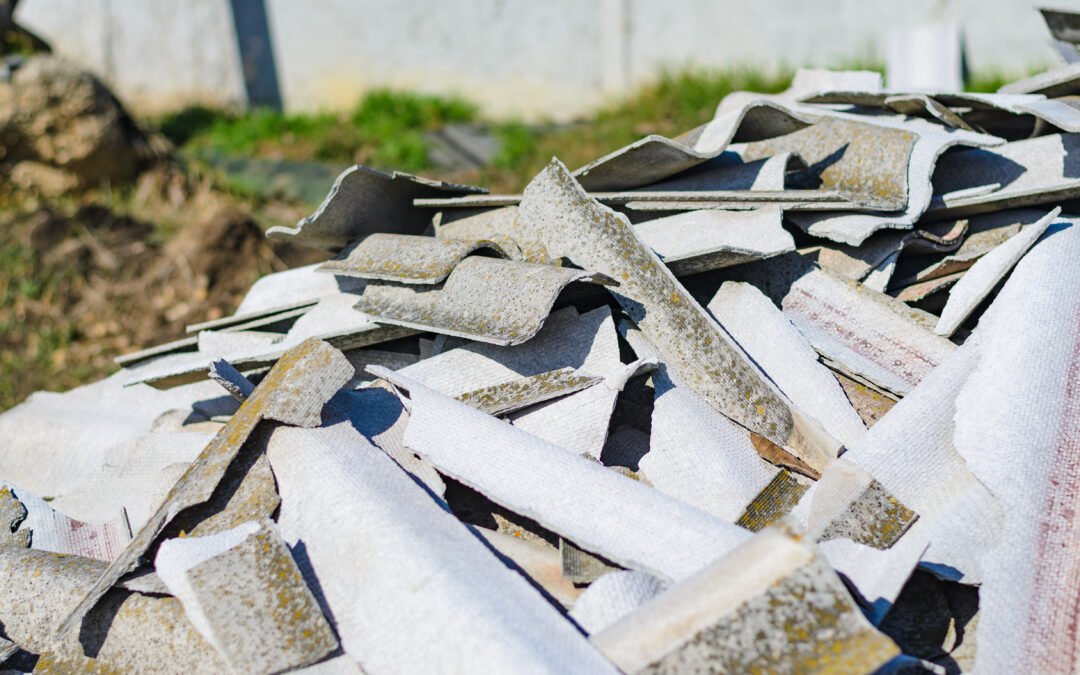
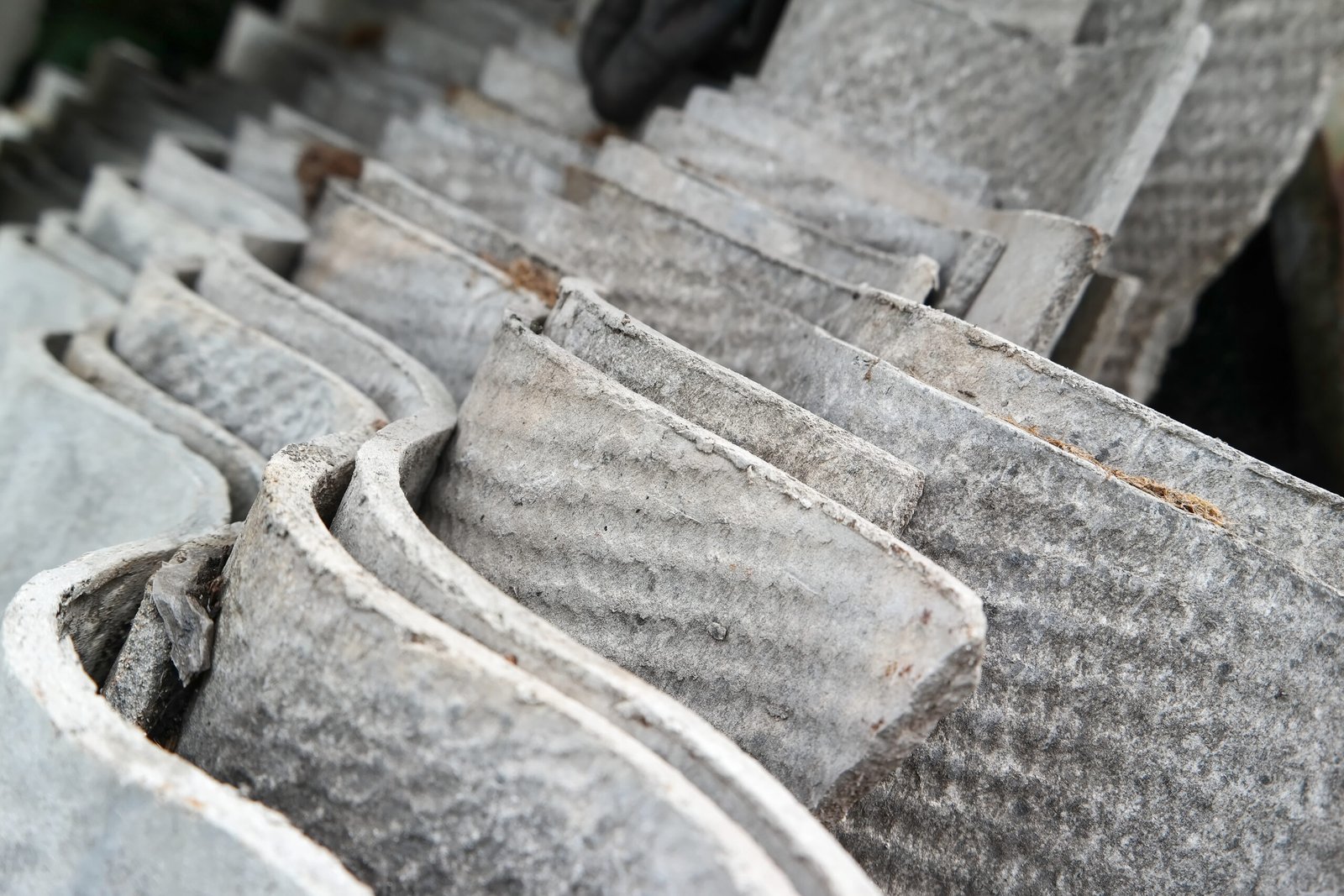
Another typical location for asbestos is around boilers and heating systems where asbestos insulation was used to prevent heat loss. Old garages and sheds may also have roofs made from corrugated asbestos sheets. Recognising these common areas helps homeowners understand where asbestos might be present and informs the decision to seek professional inspection and removal services.
For the untrained eye, distinguishing asbestos-containing materials can be challenging. It is advisable for homeowners to avoid disturbing these materials and to seek professional assessment. Specialist asbestos surveyors can conduct a thorough inspection, take samples, and confirm the presence of asbestos, enabling precise and safe removal.
Step-by-Step Guide to Asbestos Removal Process
The asbestos removal process in Staines-Upon-Thames begins with an initial consultation and a detailed survey of the property. This survey is aimed at identifying the presence and extent of asbestos-containing materials. Samples may be taken for laboratory analysis to confirm the type and concentration of asbestos, which is crucial in planning the removal strategy.
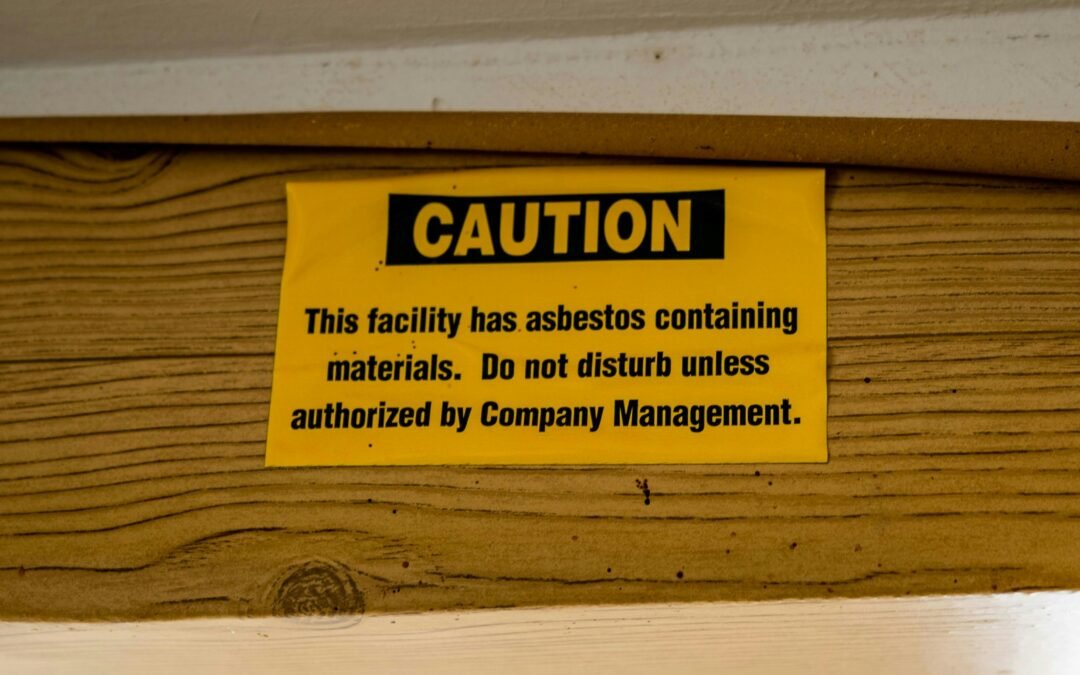
Once asbestos is confirmed, the removal area will be cordoned off and warning signs posted to prevent unauthorised access. This containment is essential to limit exposure. Asbestos removal specialists then use protective gear and equipment to safely remove the asbestos-containing materials. During this phase, air quality is continually monitored to ensure asbestos fibres do not spread to other areas.
After the asbestos is removed, the area undergoes a thorough decontamination process to eliminate any remaining fibres. A final inspection and air monitoring confirm that the area is safe for reoccupation. The waste is safely packaged in labelled, sealed containers and transported to a licensed disposal facility. This meticulous process ensures that the property is safe and complies with all health and safety regulations.
Health and Safety Practices During Removal
Throughout the asbestos removal process, maintaining stringent health and safety practices is paramount to protect both the removal team and any building occupants. This includes the use of personal protective equipment (PPE), such as respirators, disposable coveralls, and gloves, which are mandatory for all personnel involved in the process. These measures prevent the inhalation of asbestos fibres, which are known to cause severe health issues.
Air quality monitoring is another critical practice, performed before, during, and after asbestos removal. This monitoring helps to ensure that asbestos fibres are not escaping into the surrounding environment. The use of containment methods such as negative pressure units and sealing off ventilation systems helps to control the spread of fibres.
Emergency procedures must also be established, including evacuation routes and decontamination protocols, ensuring that any exposure incidents are handled swiftly and effectively. These health and safety practices are essential components of professional asbestos removal, ensuring that the process is conducted without risking human health.
Legal Requirements for Asbestos Disposal
In the UK, asbestos waste disposal is tightly regulated to prevent environmental contamination and protect public health. In Staines-Upon-Thames, asbestos must be disposed of at licensed facilities designed to handle hazardous materials safely. It is illegal to dispose of asbestos waste in regular landfills or to handle it without proper authorisation, reinforcing the need for professional removal services.
The Control of Asbestos Regulations 2012 outlines specific guidelines for the safe disposal of asbestos, including transportation in secure, labelled containers to prevent accidental release of fibres during transit. The documentation is also a crucial aspect of the legal framework, requiring detailed records of the asbestos removal and disposal process.
Failure to comply with these legal stipulations can result in substantial fines and serious legal consequences for property owners and contractors alike. Thus, adherence to these regulations not only promotes safety but also ensures legal compliance, which is beneficial for all parties involved in the asbestos removal and disposal process.
Post-Removal: Ensuring a Safe Environment
Following the removal of asbestos, it is essential to ensure that the environment remains safe for occupancy. This involves conducting thorough visual inspections and air quality tests to confirm that no residual asbestos fibres are present. Such post-removal assessments provide reassurance to property owners and occupants that the area is safe and free from asbestos contamination.
In addition to physical assessments, proper documentation and follow-up procedures are implemented. These records detail the asbestos removal process and serve as a formal declaration that the property has been professionally cleared and is compliant with health regulations. This documentation can be crucial for future property transactions or renovations.
Finally, providing information and education on asbestos awareness to property owners and occupants plays a vital role in ensuring long-term safety. Understanding the risks associated with asbestos and the steps taken to remove it helps in maintaining a safe living or working environment and promotes vigilant management of any future asbestos-related issues.